When you work with heavy-duty equipment—excavators, bulldozers, mining trucks, or anything that moves mountains instead of pebbles—you quickly notice one thing: dust, mud, and abrasive particles always find a way in. It doesn’t matter how thick the steel plate is or how powerful the cylinder looks. If contaminants enter your system, trouble follows quietly, just like sand entering your shoes.
That’s the moment you start paying attention to floating seals. And if you’re looking for a complete, easy-to-read, technician-level guide to the two main types of floating seals, you’re in the right place.
Think of this article as a friendly chat between two people who have both spent way too much time around the machines.
What Floating Seals Really Do
Before diving into the types, let’s align on what floating seals actually are.
In short, floating seals—also known as duo-cone seals or mechanical face seals—are designed to keep contaminants out and lubricant in, especially in harsh environments. They sit quietly between rotating components, doing the dirty work so your machines can keep doing the heavy lifting.
DF type floating seals
The Two Types of Floating Seals
Floating seals come in two main types. You’ll see them everywhere in off-road machinery, but they behave differently and require slightly different handling. Understanding these two types helps you choose properly, troubleshoot faster, and avoid the “Why is this worn out again?” moment.
We’ll cover both:
-
DO Floating Seal (O-ring Cross-Section)
-
DF Floating Seal (Square Cross-Section)
Let’s go deeper—clean, simple, and with examples you can relate to.
1. DO Floating Seal
You’ll run into this one most often. Duo-cone floating seals are built using:
-
A pair of metal rings
-
Flexible o-ring elastomer rings, which act as the energizing and sealing components
-
A housing that keeps everything aligned
The term “duo-cone” comes from the geometry of the metal rings. If you look closely, the sealing faces form a lapped, extremely smooth mating pair.
Why this type matters to you
Picture a bulldozer pushing through wet clay. The undercarriage doesn’t care if the mud contains small stones or fine quartz particles—they all try to sneak in. The duo-cone seal ensures these abrasive particles don’t reach the lubricated bearing chamber.
You can think of the o-ring as the “spring” and the metal ring as the “shield.” Both work together to maintain stable face contact even when your equipment experiences:
-
High axial loads
-
Pressure fluctuations
-
Unexpected impacts
-
Misalignment from uneven terrain
Working principle
When the metal rings rotate relative to each other, the toric elastomer pushes the ring faces together with the right amount of load—not too much, not too little. It’s similar to how you hold your mug: tight enough not to drop it, but loose enough not to crush it.
This balance allows the seal to “float,” compensating for vibrations and small movements—hence the name.
Where do you use this type
You’ll typically choose duo-cone seals for:
-
Excavators
-
Bulldozers
-
Track rollers and idlers
-
Final drives
-
Agricultural machinery
-
Oilfield drilling equipment
-
Mining trucks
Whenever the machine is in constant contact with mud, sand, water, or slurry, DO type performs reliably.
Advantages you’ll appreciate
Instead of listing marketing adjectives, let’s stay practical:
-
It handles aggressive environments well.
-
It compensates for installation tolerances.
-
The O-ring provides stable face pressure.
-
Performance is predictable, even under vibration.
-
The sealing contact remains consistent over long cycles.
If you’re in the field and want something that behaves steadily across rough environments, this type is usually your go-to.
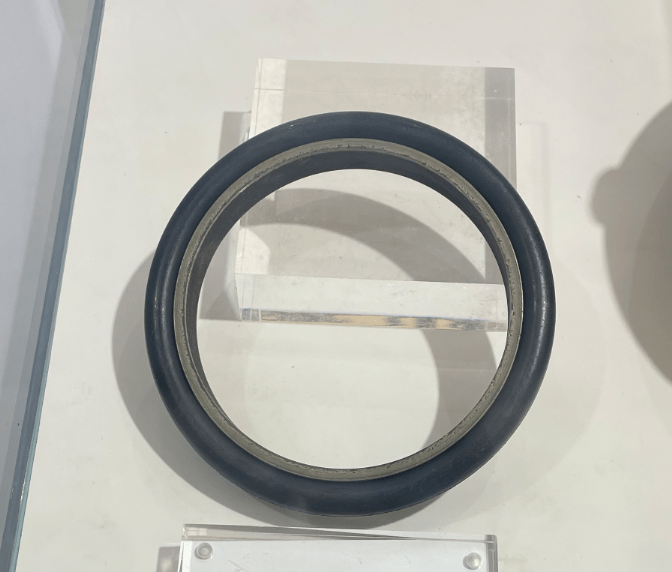 |
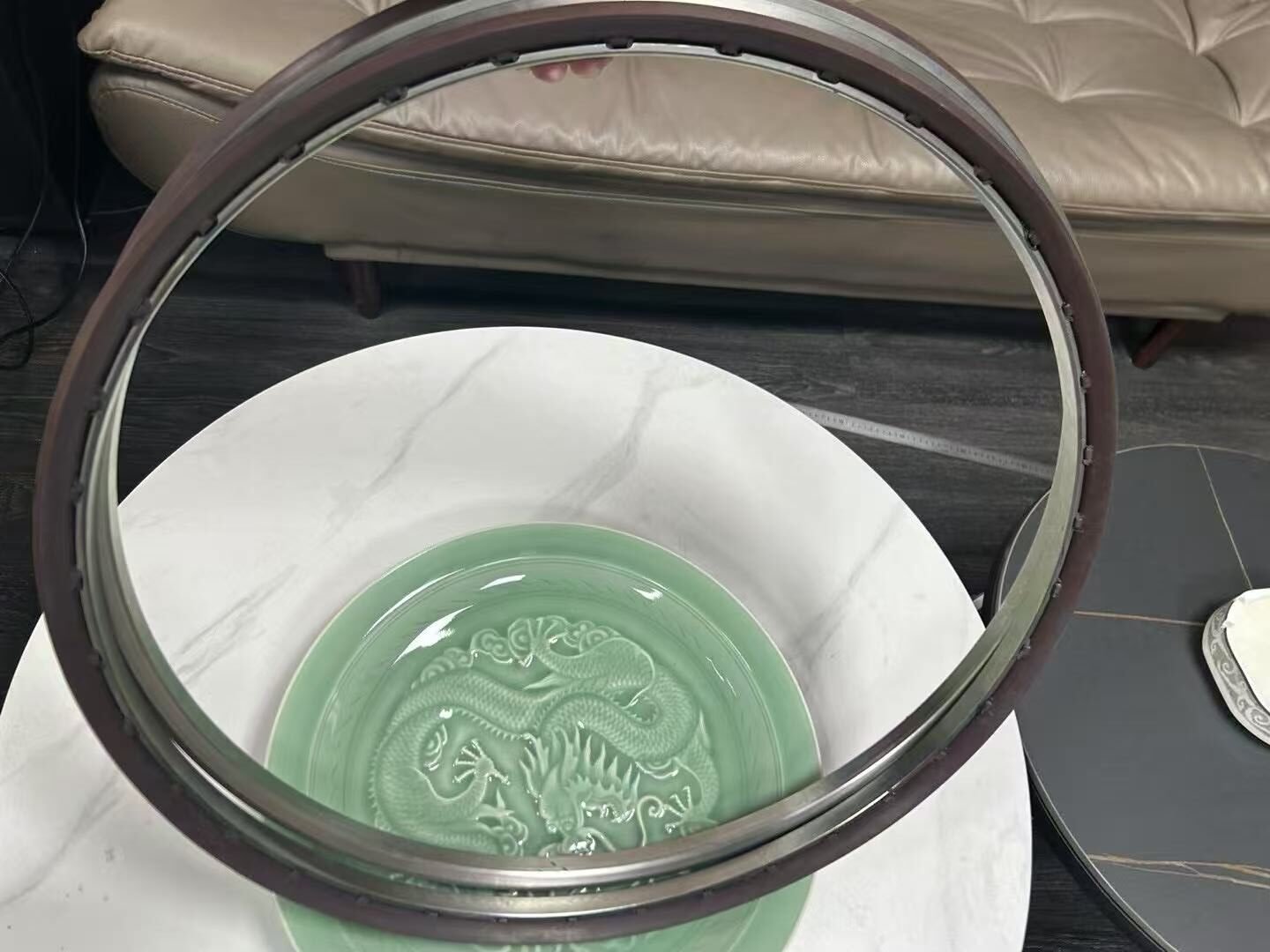 |
2. DF Floating Seal (Square-Profile Type)
The second type uses a square-shaped elastomer ring (sometimes trapezoidal) instead of an O-ring. That’s the core difference.
The elastomer isn’t round; it has flat edges. This may look like a small design change, but it alters installation behavior, pressure distribution, and how the seal handles radial movement.
Why does this type exist
You know how you sometimes need a more specialized tool—not better, just different? The square-profile O-ring floating seal serves that purpose.
Instead of an O-ring, the elastomer has multiple flat surfaces, which:
-
Provide improved stability
-
Reduce rolling or twisting under load
-
Offer a different compression characteristic
For equipment where housing dimensions are tighter or assembly space is restricted, this design can make your life easier.
How it works
The elastomer compresses into the square or trapezoidal pocket inside the housing. Because the compression is more “controlled” than O-ring designs, the face loading between the two metal rings remains stable even if your application experiences:
-
Low rotational speeds
-
Medium loads
-
Frequent starts and stops
The sealing faces still do the main sealing work, but the elastomer stabilizes them more rigidly.
Where you choose this type
You’ll see the O-ring stabilized design in:
-
Compact construction machines
-
Tight-space gearboxes
-
Agricultural transmissions
-
Medium-duty final drives
-
Industrial machinery that doesn’t see extreme shock loads
If your design has limited room for an O-ring or you require precise axial control, this type may give you a cleaner fit.
Advantages in real use
Again, no fluffy language—just what you’ll notice:
-
More stable installation in narrow housings
-
Reduced the movement of the elastomer
-
Consistent face pressure distribution
-
Good performance in moderate-duty conditions
-
Lower risk of twisting compared to O-ring designs
It’s like choosing a square table instead of a round one when your room is small—it simply fits better.
Choosing Between the Two Types (A Practical Guide)
Now that you know what each type does, how do you choose? You’ve probably faced this in real projects: both look acceptable on paper, but only one gives you fewer headaches later.
Think in three steps:
1. Evaluate Your Working Environment
Ask yourself:
-
Does your equipment operate in abrasive slurry, mud, coal dust, or sand?
-
Do you expect shock loads, impacts, or frequent vibration?
-
Does the lubrication chamber operate under high pressure?
If yes, the DO type offers better floating capability.
If your machine works in a moderate and controlled environment, the square-profile type can be a clean design choice.
2. Look at Your Housing Geometry
If you’ve ever opened a gearbox and thought, “Who designed this, and why is there no space?” then you already know the answer.
-
Narrow housings → go with the DF (square-profile type)
-
More installation tolerance → DO (O-ring profile type) gives easier alignment
3. Consider Expected Rotational Behavior
High-speed rotation isn’t common with floating seals (they’re usually slow to medium speed), but the type still matters:
-
Frequent shock loads DO type (O-ring-profile)
-
Controlled movement with limited axial play → DF type (square-profile)
Applications of Floating Seals (Real-World Scenarios)
Let’s put everything together. When you walk through a construction site or mining area, here’s where you’ll see floating seals quietly doing their job.
1. Track Machines (Excavators, Bulldozers, Crawler Loaders)
The undercarriage is constantly immersed in mud. Floating seals prevent abrasive contaminants from entering the track rollers.
2. Final Drives
These gearboxes handle torque, shock, and loads. A stable floating seal ensures the internal oil stays clean.
3. Mining Haul Trucks
The environment is full of fine dust, which behaves like grinding powder. The seal protects wheel hubs and drive systems.
4. Tunnel Boring Machines
High-pressure slurry and rock particles make this one of the toughest environments. The duo-cone type usually suits this better.
5. Agricultural Equipment
Moisture + soil + debris = a natural enemy of bearings. Floating seals keep the gear chambers clean.
6. Industrial Gearboxes
Square-profile types are often used where space is limited but cleanliness still matters.
Common Failure Signs (And What They’re Telling You)
Floating seals rarely fail suddenly. They leave small signals long before things get serious. If you notice:
-
Oil leakage in the housing
-
Abnormal noise from the gearbox
-
Uneven wear on the metal seal faces
-
Burnt discoloration
-
Low lubrication levels
-
Vibrations during rotation
…then you’re looking at installation issues, contamination, or incorrect type selection.
It’s similar to hearing a squeak in your car’s suspension—not urgent yet, but ignoring it usually costs more later.
Conclusion: Selecting the Right Floating Seal Type Helps You Avoid Surprises
Floating seals aren’t dramatic components. They don’t rotate at high speed or shine like machined shafts. But they quietly decide whether your machine runs smoothly in mud, dust, and abrasive environments.
To recap in one sentence:
Choose the DO type when you need floating capability under heavy contamination and shock loads; choose the DF type when your housing geometry is tight, and your environment is moderate.
When you understand these two types well, you don’t just get a seal—you make a smarter equipment design choice.