If you’ve ever worked with heavy machinery—track systems, final drives, mining equipment, or even agricultural transmissions—you already know that dust and mud have a talent for showing up where they shouldn’t. It doesn’t matter how robust your machine looks from the outside. Once contaminants sneak into the lubrication chamber, every rotating component starts aging faster.
That’s when you begin to appreciate floating seals.
They don’t move fast, they don’t look exciting, and nobody writes inspirational quotes about them. But they are the quiet barrier between a smooth-running system and a repair bill you’d rather avoid.
In this guide, let’s talk through floating seal advantages and disadvantages the same way two field engineers would chat during a lunch break—simple language, grounded in real experience, and focused only on this topic.
What Floating Seals Really Do
Before jumping into pros and cons, let’s get aligned. Floating seals—also known as mechanical face seals, seal group, or duo-cone seals—are sealing systems used in harsh environments to:
-
Keep abrasive contaminants out
-
Keep the lubricant inside
-
Maintain performance under vibration, shock, and mud immersion
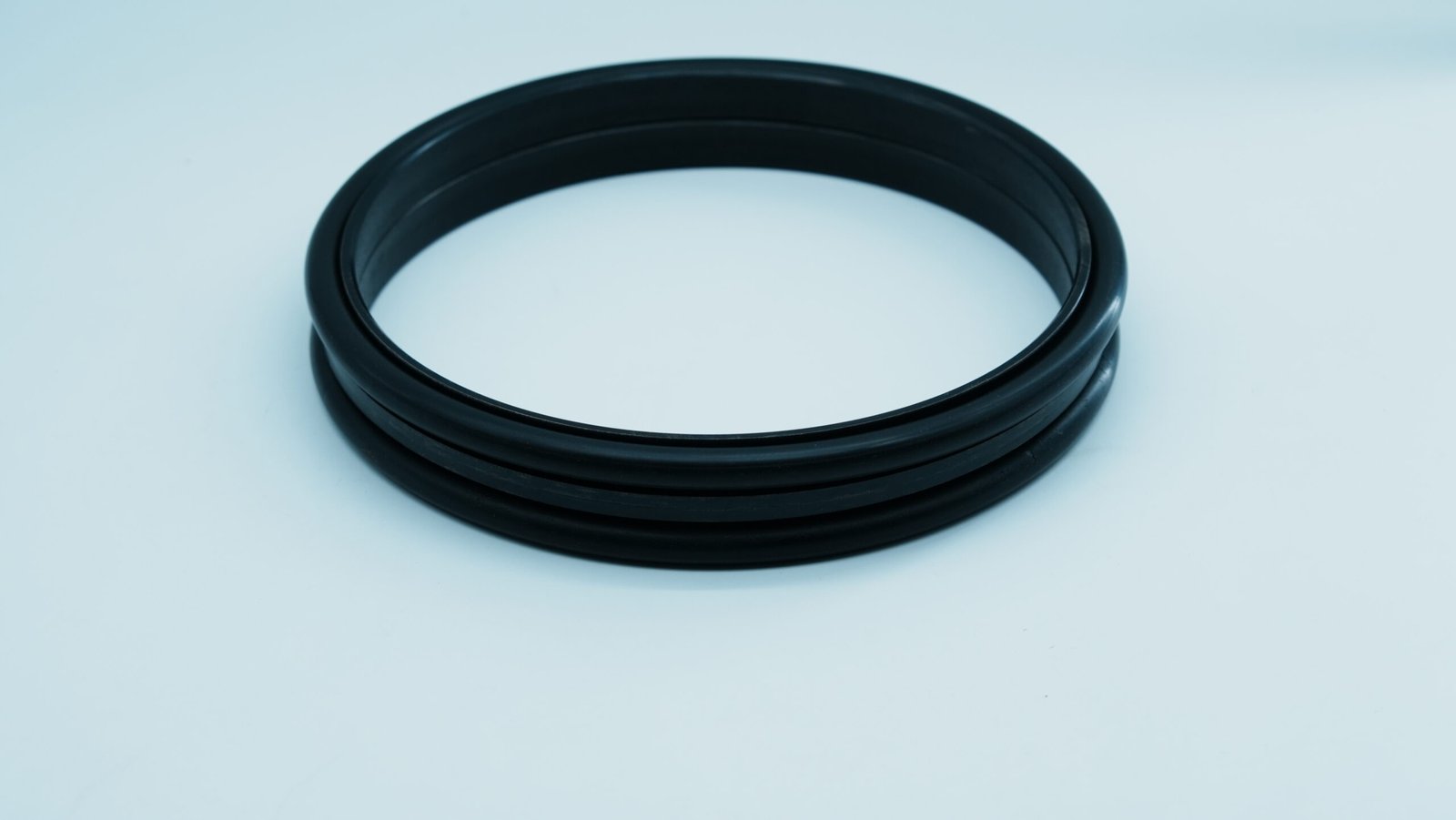
Floating Seals
Advantages of Floating Seals
When you start using floating seals in real applications, you quickly notice a few strengths that make them dependable in heavy-duty machinery. Let’s walk through them with real-world context.
1. Strong Contamination Protection
If your machine spends its life in mud, sand, gravel, or water, floating seals give you reliable protection.
The two metal rings form a matched pair, creating a nearly frictionless sealing face. This prevents dust and abrasive particles from entering sensitive areas like:
-
Track rollers
-
Final drives
-
Mining truck wheel ends
-
Tunnel boring machine gear chambers
You can imagine it like closing your door during a sandstorm. The outside can stay messy, but your living room stays clean.
2. Stable Performance Under Shock and Vibration
Floating seals were born for harsh conditions.
When machinery hits bumps, absorbs impacts, or experiences uneven terrain, the elastomer rings compensate by keeping the metal faces properly aligned.
This is why you see floating seals used in:
-
Bulldozers rolling over rocks
-
Excavators digging through packed clay
-
Mining equipment dealing with unpredictable loads
The seal “floats” slightly, absorbing micro-movements.
In simple terms, it forgives your machine’s rough lifestyle.
3. Long Service Life in Abrasive Environments
Because the seal faces are lapped metal surfaces, they wear slowly and evenly. There’s no sudden failure; the degradation curve is predictable.
If your environment is:
-
dusty
-
abrasive
-
high moisture
-
constantly dirty
…floating seals typically deliver longer service cycles compared to simpler lip seals.
You’ll notice this especially if you previously used rubber oil seals in a similar application—they simply can’t survive the same punishment.
4. High Resistance to Pressure and Temperature Variation
You might not think about temperature when you see a seal buried in a gearbox, but temperature swings matter.
Floating seals handle:
-
heat generated by mechanical load
-
ambient temperature swings in mines or deserts
-
hydraulic pressure fluctuation
-
sudden impact loads
This is possible because the metal faces maintain consistent sealing pressure, and the elastomer ring compensates for expansion.
5. Low Maintenance Requirements
Once installed, floating seals don’t need constant attention.
You won’t see operators cleaning them, re-lubricating them, or adjusting them frequently. As long as your lubricant chamber stays clean and the seal is properly compressed, the system works steadily.
If you run fleets of machines, this means fewer interruptions and fewer inspections.
6. Suitable for Slow and Oscillating Motion
Floating seals are not designed for high-speed rotation, but they excel at:
-
low to medium rotational speeds
-
oscillating motion
-
slow, heavily loaded turning systems
This is why track machines and heavy gearboxes rely on them.
High loads + low speed = a perfect environment for floating seal performance.
7. Consistent Sealing Face Contact
The sealing force comes from controlled elastomer compression.
Even if your housing tolerances aren’t perfect (and let’s be honest, few housings are perfect in real life), the seal adjusts automatically.
This helps:
-
during assembly
-
When equipment ages
-
When components wear slightly
You don’t need perfect machining to keep them working.
8. Resistance to Chemical and Environmental Exposure
Depending on the metal and elastomer material you choose, floating seals can resist:
-
corrosive mud
-
saltwater
-
fertilizers (in agricultural machinery)
-
acidic mining slurry
For many users, this advantage alone justifies choosing floating seals over more delicate sealing systems.
Disadvantages of Floating Seals
Every technology has trade-offs. Floating seals solve big problems, but they also come with limitations you should understand so you don’t run into surprises later.
Let’s go through them one by one, using real usage scenarios.
1. Higher Initial Cost Compared to Lip Seals
Floating seals are precision products:
-
Lapped metal faces
-
Controlled elastomer hardness
-
Tight dimensional tolerances
Because of this, they cost more than simple rubber lip seals.
If your machine operates in a clean environment, a floating seal might be overkill. But if you work in mud, impact loads, or abrasive dust, the durability often offsets the initial cost.
Think of it like buying rain boots.
If you walk through puddles daily, they’re worth it.
If you only cross dry sidewalks, you don’t really need them.
2. Requires Correct Compression During Installation
This is a big one.
Floating seals are sensitive to installation technique.
If you:
-
compress the elastomer too much → face pressure increases → wear accelerates
-
compress too little → leakage starts
-
contaminate the sealing face → premature failure
-
misalign the housing → uneven contact
…then you’ll have problems long before the seal reaches its expected lifespan.
Many field failures are not design issues—they’re installation issues.
3. Sensitive to Surface Scratches and Handling Damage
The sealing faces are precision surfaces.
If you drop a ring, scratch it, or touch it with dirty gloves, the performance drops significantly.
This means:
-
You need clean installation space
-
You need proper handling
-
You must avoid hitting or prying the rings during assembly
Some technicians underestimate this requirement and end up with early leakage.
4. Not Suitable for High Rotational Speeds
Floating seals work best in slow-to-medium-rotational applications.
If you use them in high-speed shafts, heat generation at the sealing faces increases, which leads to:
-
faster wear
-
lubricant degradation
-
possible leakage
This is why high-speed pumps don’t use floating seals—they use mechanical seals designed specifically for high RPM.
5. Requires Stable Lubrication Environment
Floating seals depend on proper lubrication inside the chamber.
If the lubricant becomes contaminated or insufficient, the seal faces run hotter and wear faster.
Typical causes include:
-
Poor oil maintenance
-
water ingress from other areas
-
bearing failure, causing metal debris
-
oxidation from long service intervals
So while the seal protects the chamber from external contaminants, the internal environment must still be managed properly.
6. Doesn’t Tolerate Large Misalignment
Floating seals compensate for small misalignments, but not extreme ones.
If your housing is:
-
heavily worn
-
machined incorrectly
-
distorted by welding or impact
-
assembled under stress
…the metal faces won’t meet evenly.
This leads to edge loading, heat, and early failure.
So floating seals require reasonably accurate housings—not perfect, but acceptable.
7. Heavier and Bulkier Than Simple Rubber Seals
Floating seals consist of:
-
two metal rings
-
two elastomer rings
-
multiple precision surfaces
This makes them bulkier compared to rubber oil seals.
If your design requires an extremely compact installation space, you may need to evaluate whether a floating seal fits comfortably.
Balancing Advantages and Disadvantages (What You Should Consider)
Now you know both sides of the story.
Let’s put it into a simple decision framework you can actually use.
Ask yourself three questions:
1. Is your working environment harsh?
If your machine faces:
-
mud
-
abrasive dust
-
water
-
shock loads
→ The advantages outweigh the disadvantages.
2. Is installation done by trained technicians?
If installation quality is inconsistent, floating seals may fail early.
Proper training and clean handling make all the difference.
3. Do you need long service intervals?
If downtime is expensive:
-
mining
-
tunneling
-
large construction fleets
→ Floating seals provide predictable longevity.
Common Misunderstandings You Can Avoid
After working with many clients, I’ve noticed a few misconceptions:
Misunderstanding 1: “Floating seals never leak.”
They do—when installation goes wrong or when the elastomer hardens over time.
Misunderstanding 2: “Floating seals can replace any rubber seal.”
They can’t.
Rubber oil seals still make sense in clean, high-speed environments.
Misunderstanding 3: “All floating seals are the same.”
Metal grade, elastomer hardness, and machining tolerance change performance significantly.
Keeping these in mind will help you avoid unnecessary troubleshooting.
Conclusion: Floating Seals Are Powerful Tools, But Not Magic
Floating seals help you solve some of the toughest challenges in harsh operating environments.
They provide reliable protection against contaminants, stable performance under shock loads, and long service life—especially in mud, dust, and abrasive conditions.
But they also require:
-
correct installation
-
proper handling
-
stable lubrication
-
suitable rotational speed
When you understand both advantages and disadvantages, you’ll be able to choose the right sealing solution for your machine and avoid costly surprises later.
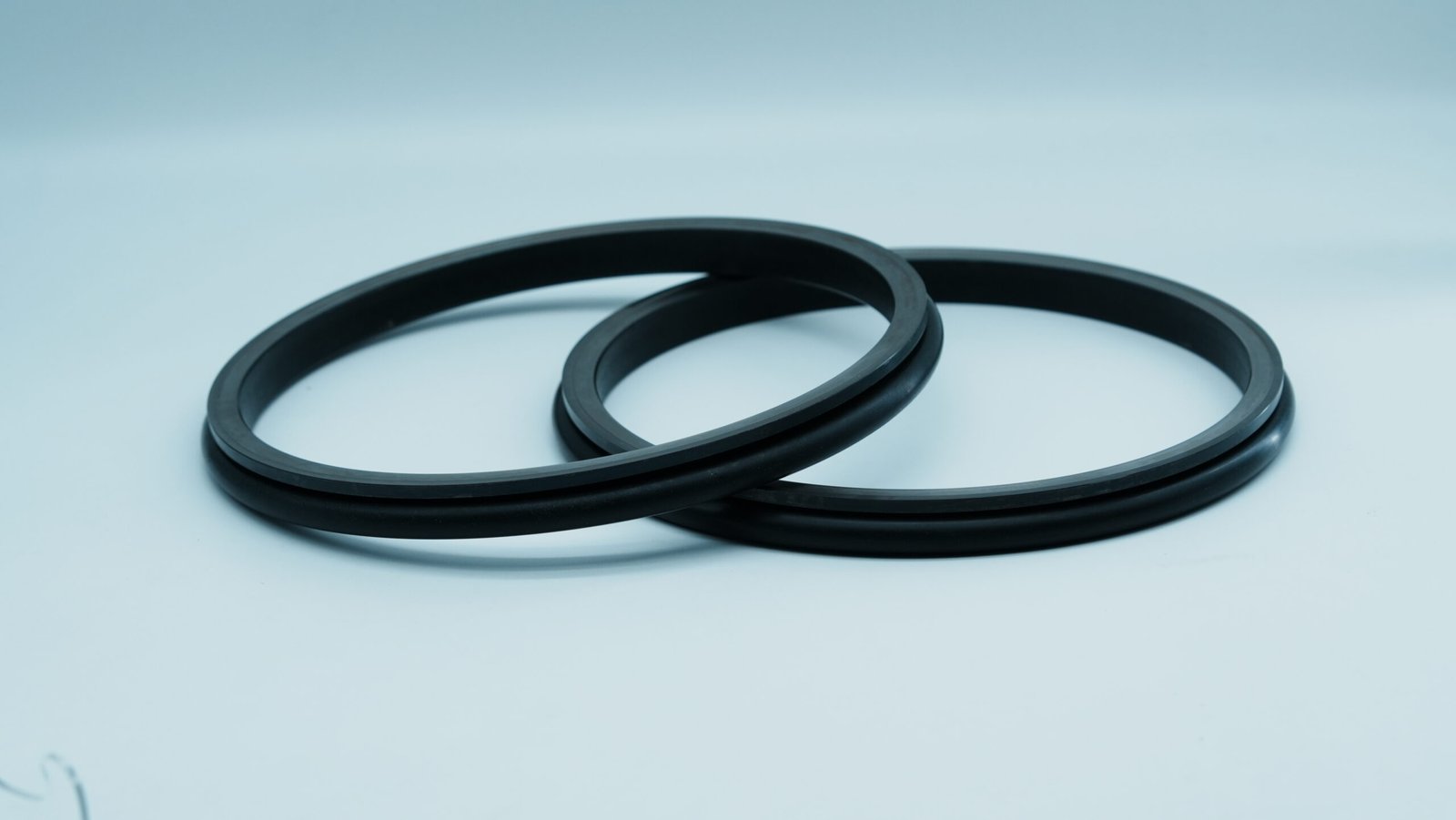
⭐ TYS Floating Seal Recommendation
If your machines often work in tough environments—mud, water, sand, or anything that loves to “test” your equipment—then you definitely need a floating seal you can rely on. TYS floating seals are designed specifically for such a demanding environment. They’re simple in structure, extremely wear-resistant, and stay sealed even after long hours of heavy use. Once you install them, you’ll immediately notice that your machine runs steadier and the components last much longer.
You don’t have to worry about tricky sizes or complicated working conditions. Just tell us your application, and we’ll help you choose—or customize—the floating seal that fits your equipment perfectly.
If you’re upgrading or replacing seals on construction machinery, mining equipment, or tracked vehicles, give TYS floating seals a try. They’re durable, low-maintenance, and once you use them, you’ll instantly feel the difference.