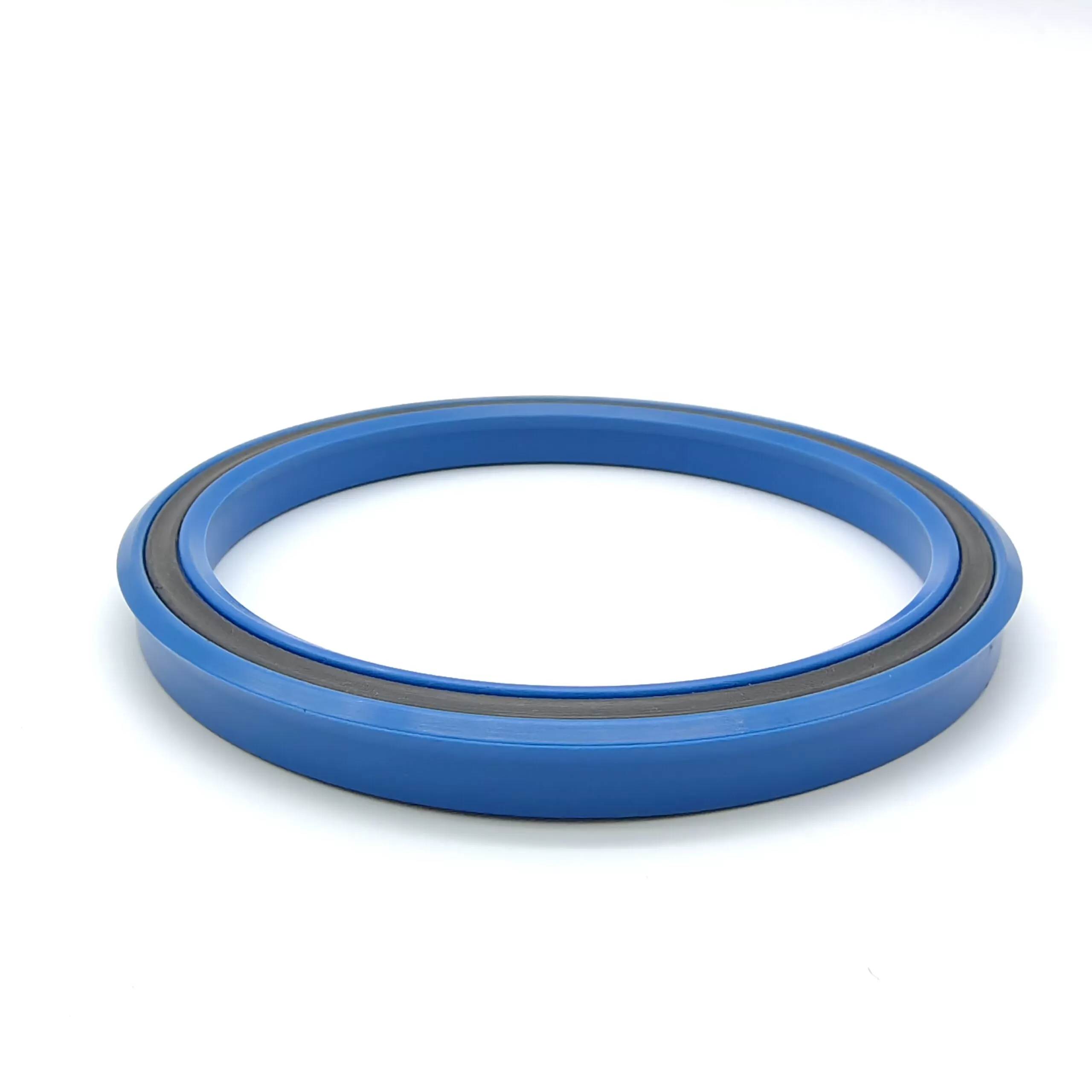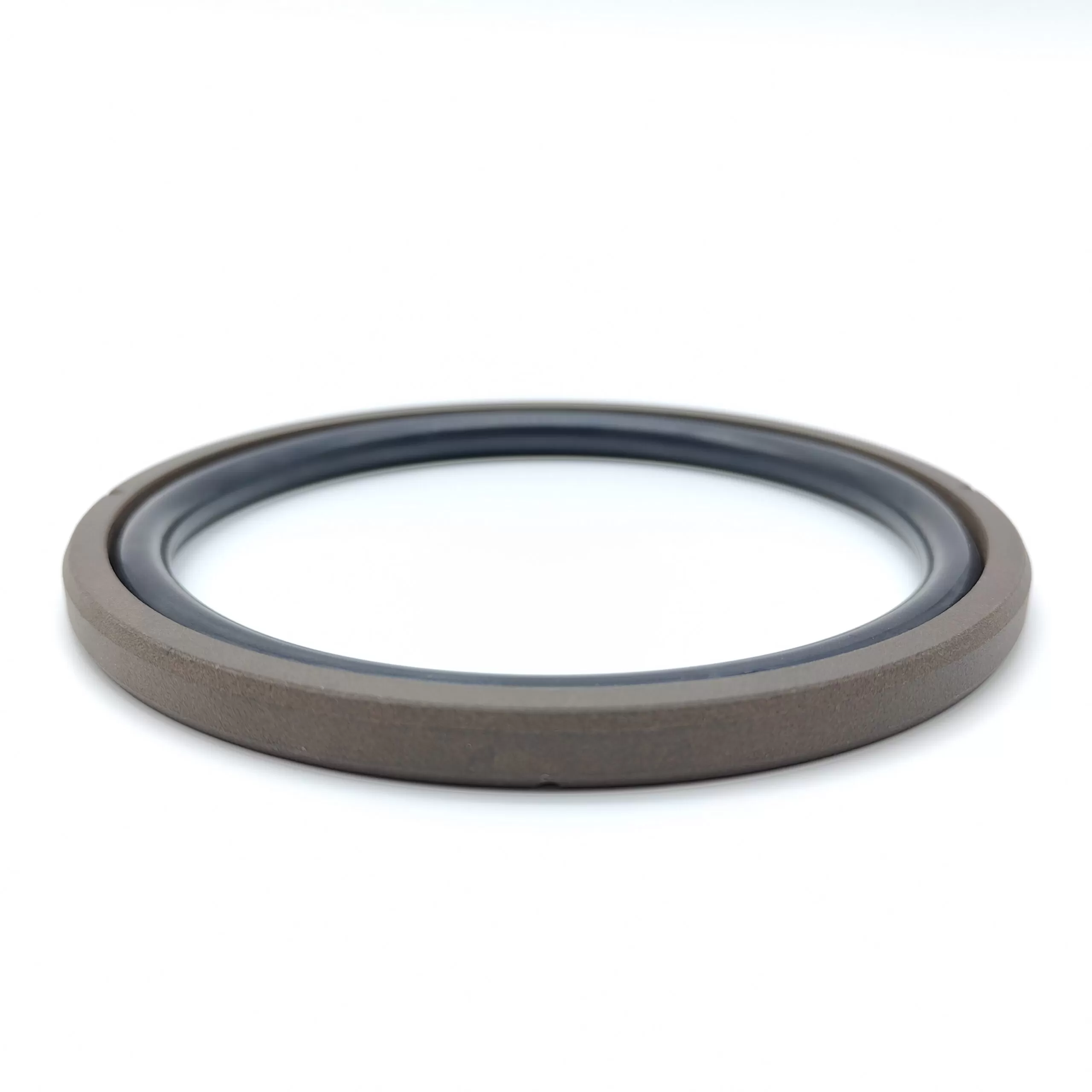
In hydraulic systems, a leaking cylinder is one of the quickest ways to lose pressure and halt production. While changing the seals is the standard fix, it is incredibly frustrating when a hydraulic cylinder keeps leaking oil even after you just installed brand-new seals. If a fresh seal fails to stop the leak, the issue usually points to deeper mechanical, material, or system-level problems. Let’s look at the actual reasons why this happens and how to fix it properly.
01. Incorrect Seal Installation
Even a premium seal will leak if it isn’t put in correctly. During installation, it is easy to accidentally reverse the direction of a lip seal, twist it inside the groove, or scratch the sealing edge with sharp tools. Another common mistake is leaving old debris, metal shavings, or dried sludge inside the seal groove. Any hidden contamination prevents the seal from seating flush. Always use the proper installation tools, double-check orientation, and completely flush the groove before fitting new parts. If you are troubleshooting a failure on-site, check our breakdown on Top Reasons for Hydraulic Seal Failure and Prevention.
02. Wrong Seal Sizes or Poor Component Quality
If you source cheap, generic seals, they often suffer from poor dimensional consistency or low-grade compounds that degrade under standard pressure. Similarly, putting in a seal that is just slightly off in cross-section or diameter—whether too tight or too loose—will cause immediate weeping. For heavy-duty applications, relying on standard global dimensions requires exact sourcing. If you need to verify your housing dimensions on the bench, use our step-by-step guide on How to Measure Hydraulic Cylinder Seals Accurately, or browse our standard Hydraulic Seals Product Catalog to match your exact dimensions.
03. Scratches and Surface Damage on the Cylinder
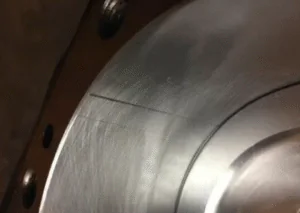
A new seal cannot fix damaged metal. If the piston rod has deep vertical scratches, rock dings, or rust spots, oil will bypass the seal lip through those microscopic gaps. The same goes for pitting or scoring inside the cylinder tube. This kind of surface damage acts like a file, rapidly grinding down the new seal lip within hours of operation. Inspect the rod and bore thoroughly. If you find deep scoring or worn plating, you must grind, polish, or re-chrome the metal surface before installing new seals; the leak will return immediately.
04. Excessive Hydraulic Pressure Spikes
Every hydraulic cylinder and seal profile has a maximum pressure limit. If your system relief valves are set too high, or if the machine experiences sudden, violent shock loads during heavy lifting, the internal pressure can easily spike beyond design limits. This extreme force physically deforms the seal, tearing the lips or pushing the material into the clearance gaps (extrusion failure). Check your system pressure gauges against the cylinder data sheet to ensure the machine is operating within safe limits.
05. Material Incompatibility with Temperature and Oil
Seals fail fast when working in the wrong environment. Standard nitrile (NBR) rubber works fine for basic applications, but it hardens and cracks if the system runs constantly hot, or if you switch to certain synthetic or biodegradable hydraulic fluids. When a seal material is incompatible with the oil or operating temperature, it either shrinks and hardens or swells up and softens until it disintegrates. For hot or aggressive setups, you need to step up to high-spec compounds. You can read our technical comparison on PTFE Seals vs. NBR Seals, or explore our high-temperature FKM Seals profile page for specialized applications.
06. Contaminated Hydraulic Fluid
Dirty oil is the number one enemy of hydraulic components. Tiny particles of metal, dust, and environmental grit suspended in the oil act like liquid sandpaper. As the cylinder cycles, these abrasive contaminants continuously wear down the fine sealing edges. If your oil is dark, cloudy, or full of particulate matter, simply replacing the seal is just a temporary band-aid. You must change the oil, replace the system filters, and flush the lines to stop the new seals from being destroyed all over again.
Stop Hydraulic Leaks with Heavy-Duty TYS Seals
Fixing recurring leaks requires components engineered for tough industrial realities. TYS Seals develops and supplies rugged, high-precision hydraulic sealing configurations that stand up to high pressures, extreme temperatures, and heavy friction.
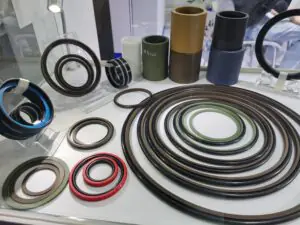
If you are rebuilding cylinders and need reliable components that eliminate fluid loss, we offer direct access to our core manufacturing lines:
- Piston Sealing: Eliminate internal pressure bypass with our rugged Piston Seals range, including our specialized High-Pressure Glyd Rings engineered to prevent extrusion under heavy shock loads.
- Rod Sealing: Keep your piston rods completely dry with our heavy-duty Rod Seals and Step Seals, designed to maintain a tight seal under fluctuating operational pressures.
- Exclusion & Protection: Keep dust, mud, and moisture out of your system by installing tough Wiper Seals (Dust Seals) on the cylinder head.
- Overhaul Kits: For fast, hassle-free maintenance on OEM machinery, we supply complete, ready-to-install Hydraulic Cylinder Seal Kits matched to standard industrial equipment specifications.
Need help finding the right material compound or a specific groove dimension? Send your requirements to the TYS Seals team for direct technical support and fast bulk pricing.
When new seals leak again, inspect the cylinder and machine rather than treating the seal as the only cause. This guide to hydraulic cylinder failure after installation explains how side loading, misalignment, pressure spikes, contaminated oil, and damaged rod surfaces can cause repeat leakage.